A practical guide to semaglutide for diabetes and weight management
Semaglutide is a prescription GLP-1 receptor agonist used in specific products for type 2 diabetes, chronic weight management and certain cardiovascular-risk indications. It can be effective, but product selection, dose escalation, side effects, coverage and long-term planning all influence whether treatment is a sensible choice. A supplement does not share the testing or approval pathway of a prescription medicine, so compare them in separate categories.
What semaglutide does in the body
Semaglutide acts like the gut hormone GLP-1. It increases glucose-dependent insulin release, reduces glucagon when appropriate, slows stomach emptying and affects appetite signals in the brain. Those combined effects can improve blood sugar and help some people eat less.
It is not insulin, a stimulant or a dietary supplement. Injectable semaglutide is generally taken weekly, while an oral formulation has specific daily administration instructions; formulations are not interchangeable without a prescriber's direction.
- Diabetes products are prescribed primarily to improve glucose control in adults with type 2 diabetes.
- Weight-management products are used alongside reduced-calorie eating and physical activity for people who meet labeled eligibility criteria.
- Some semaglutide labels include cardiovascular-risk reduction for defined patient groups, not for every person seeking weight loss.
What realistic progress looks like
Appetite may change before the scale does, and results vary substantially. Clinical-trial averages do not predict an individual's outcome because dose tolerance, starting health, adherence, nutrition, activity, sleep and other medications all matter.
Early treatment usually emphasizes tolerability rather than maximum effect. A clinician commonly increases the dose in stages, and slowing or pausing an increase may be appropriate when gastrointestinal symptoms are significant. When prescription treatment is being considered, eligibility, dose escalation, adverse effects and follow-up matter more than headline promises.
- Track weight under similar conditions no more often than needed to see a trend.
- For diabetes treatment, record glucose as directed and review changes in A1C at clinically appropriate intervals.
- Monitor function as well as pounds: hunger, meal tolerance, strength, waist measurement and ability to stay active provide useful context.
- Discuss a reassessment point for effectiveness, side effects and affordability before beginning.
Supplements for Semaglutide

LivPure
LivPure brings together silymarin, berberine, betaine and choline in a formula aimed at liver wellness, energy metabolism and cellular antioxidant defense. Choline and betaine support normal lipid metabolism, giving LivPure a liver-centered approach to weight-management wellness. With semaglutide, berberine and concentrated botanical extracts deserve a medication-interaction check before use.
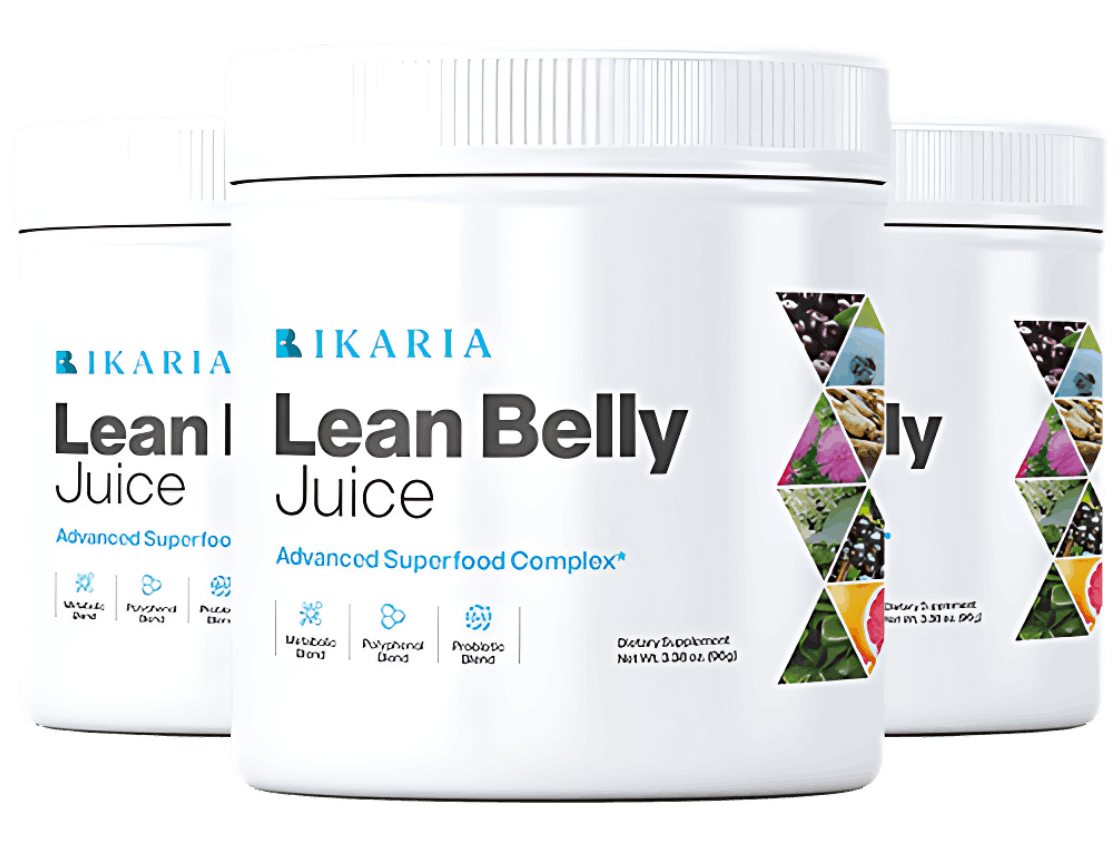
Ikaria Juice
Ikaria Lean Belly Juice brings together plant antioxidants from green tea, berries and beetroot with prebiotic inulin and probiotic cultures for digestive wellness. The combination of probiotic cultures, prebiotic fiber and botanical polyphenols targets gut comfort and everyday metabolic health. During semaglutide, inulin and probiotic cultures may affect gastrointestinal comfort, so tolerance and current medicines matter.
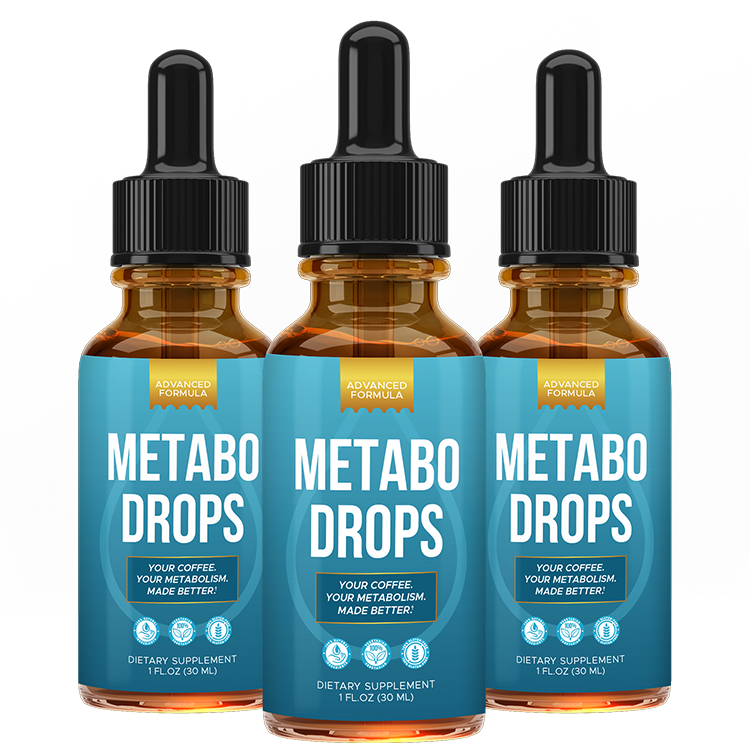
Metabo Drops
Metabo Drops adds chlorogenic acid, green-tea extract, chromium, L-carnitine and L-theanine to coffee in an easy-to-mix liquid. Chromium contributes to normal macronutrient metabolism, L-carnitine participates in fatty-acid transport, and L-theanine supports calm focus with coffee. Alongside semaglutide, review chromium, green-tea extracts and total coffee caffeine with the prescribing clinician.
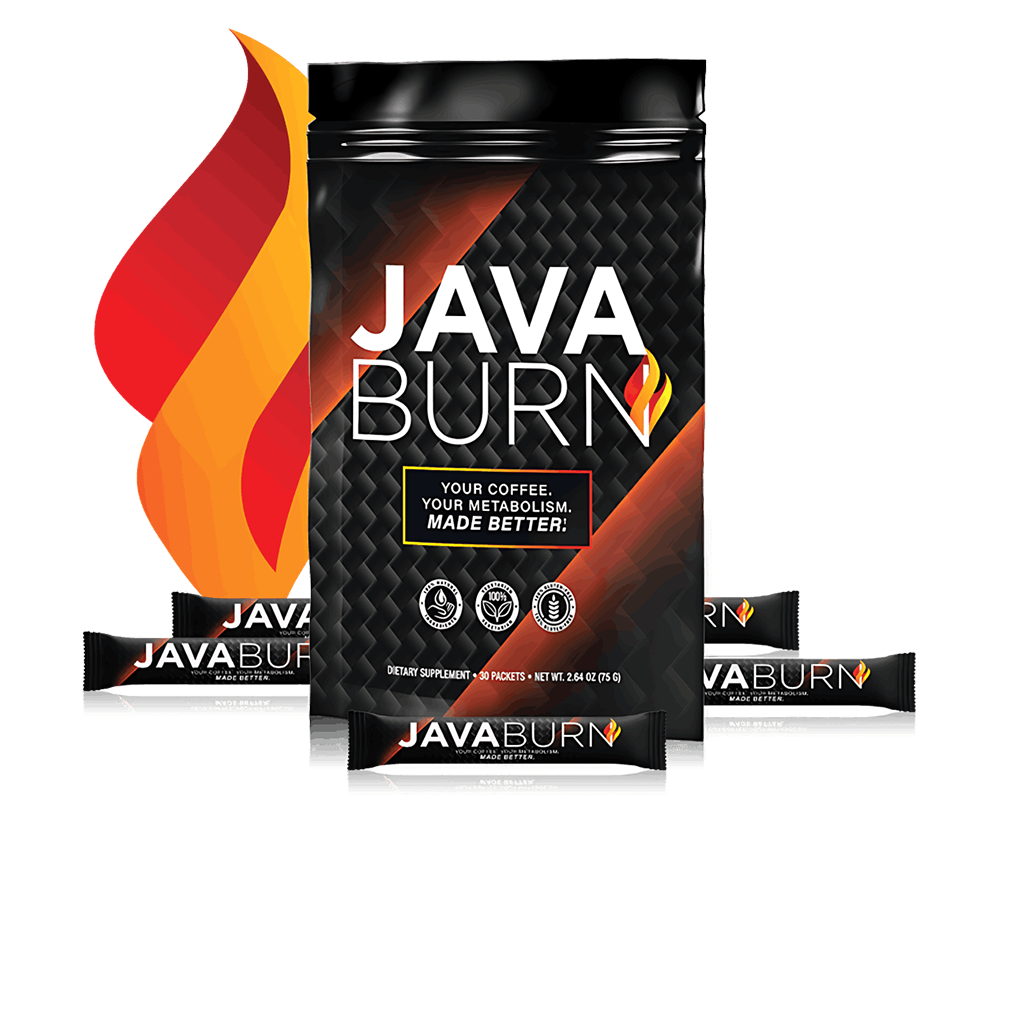
Java Burn
Java Burn uses a coffee-mix format to deliver green tea, chlorogenic acid, L-carnitine, chromium and vitamins B6 and B12 for nutritional metabolism and energy. L-carnitine participates in fatty-acid transport, while L-theanine is intended to complement coffee alertness with a calmer focus. Alongside semaglutide, review chromium, green-tea extracts and total coffee caffeine with the prescribing clinician.
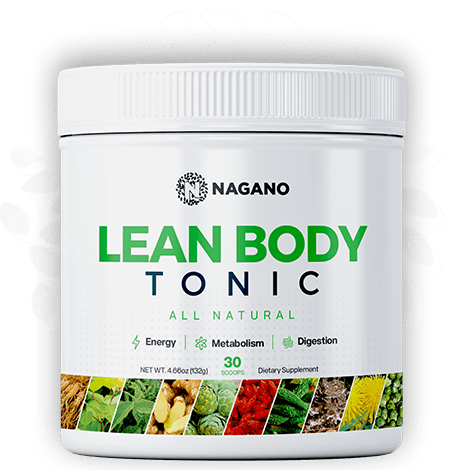
Nagano Tonic
Nagano Tonic is a powdered drink mix made with botanicals and nutrients including camu camu, green-tea EGCG, mangosteen, ginger and inulin. Its formula is promoted for daily metabolic, energy and digestive support; it is not a substitute for balanced nutrition or medical care. When comparing options alongside semaglutide, review the ingredient label and seller terms before ordering.
Four questions to settle before the first dose
A good decision is more specific than asking whether semaglutide works. Confirm which diagnosis is being treated, which product is intended, how progress will be judged and what happens if coverage changes.
Bring a complete medication and supplement list to the appointment. This is especially important for insulin or sulfonylureas, which can increase hypoglycemia risk when combined with glucose-lowering therapy.
- Do I meet the labeled criteria for this particular product and indication?
- Does my history include pancreatitis, gallbladder disease, severe digestive symptoms, kidney problems, diabetic retinopathy, pregnancy plans, or medullary thyroid carcinoma or MEN2?
- What side effects should prompt a call, an office visit or emergency care?
- Is continued treatment financially realistic if the medication works?
Medication is only one part of the plan
Eating much less can make adequate protein, fluids, fiber and micronutrients harder to obtain. A clinician or registered dietitian can help protect nutrition, while resistance exercise can support strength and lean tissue during weight loss.
Stopping semaglutide can allow appetite and weight to rebound, particularly when no maintenance plan is in place. Before starting, discuss whether treatment is expected to be long term and what alternatives would be considered if it must end.
- Use smaller meals if fullness or nausea is troublesome.
- Include protein-rich foods and produce as tolerated rather than relying on severe restriction.
- Build strength training gradually around current fitness and medical limitations.
- Treat sleep apnea, depression, binge-eating symptoms and other conditions that can affect weight-management outcomes.
Frequently Asked Questions
Semaglutide is the active ingredient. Ozempic, Wegovy and Rybelsus are brand products with different labeled uses, formulations or administration instructions. A prescription for one should not be treated as permission to substitute another. Confirm eligibility and side-effect monitoring with the prescriber.
Blood-sugar or appetite changes may appear during early treatment, but the dose is usually increased gradually and weight trends take time to assess. The response should be judged over an agreed clinical interval rather than after a few doses.
No. Weight-management use is intended to accompany nutrition and activity measures, while diabetes care may also require glucose monitoring and other medication. Healthy behaviors remain important for nutrition, fitness and maintaining results.