How to decide whether semaglutide is appropriate and start safely
Semaglutide should be matched to a defined medical indication rather than chosen solely because it is popular. A safe start includes reviewing eligibility, contraindications, interacting therapies, administration requirements, follow-up and the cost of staying on treatment. Ask how the plan will protect protein intake and hydration, particularly if medication reduces appetite or causes nausea.
Match the product to the treatment goal
For type 2 diabetes, the decision depends on current glucose control, cardiovascular and kidney health, previous therapies and individual treatment goals. Diabetes-labeled semaglutide should not be assumed to be an interchangeable weight-loss prescription.
For chronic weight management, adult eligibility commonly involves obesity or overweight plus at least one weight-related condition, but exact thresholds and covered diagnoses must be checked against the current FDA label and insurance policy. Separate criteria apply to adolescents.
- Ask the prescriber to name the product and its FDA-approved indication.
- Confirm whether the goal is glucose control, chronic weight management, cardiovascular-risk reduction or a combination.
- Do not share pens or tablets, even with someone who appears to have the same condition.
The pre-prescription health review
Semaglutide products carry a boxed warning based on thyroid C-cell tumors seen in rodents. They are contraindicated in people with a personal or family history of medullary thyroid carcinoma and in people with multiple endocrine neoplasia syndrome type 2.
The clinician should also ask about significant gastrointestinal disease, pancreatitis, gallstones, kidney function, diabetic eye disease, allergies and current pregnancy or pregnancy plans. Semaglutide is not used to treat type 1 diabetes or diabetic ketoacidosis.
- List every prescription drug, over-the-counter medicine, vitamin and supplement.
- Report insulin or sulfonylurea use because doses may need review as glucose improves.
- Mention persistent vomiting, severe constipation, delayed stomach emptying or previous dehydration-related kidney problems.
- Arrange an eye evaluation when indicated, particularly if diabetic retinopathy is already present.
Recommended Products
Dose escalation is a safety tool
Semaglutide is generally started at a low dose and increased according to the specific product schedule. The introductory dose is meant to improve tolerability and may not be the maintenance dose needed for the intended clinical effect.
Do not accelerate the schedule because appetite has not changed. Contact the prescriber if symptoms prevent normal drinking, eating or daily activity; the appropriate response may be delayed escalation, symptom assessment or a different treatment. A supplement does not share the testing or approval pathway of a prescription medicine, so compare them in separate categories.
- Follow the instructions for the exact formulation rather than advice written for another brand.
- Use reminders for the weekly injection day or daily oral routine.
- Ask what to do after a missed dose because the instructions differ by product and timing.
- Never improvise a dose from pen clicks or transfer medication into another container.
Plan the first three follow-ups before starting
Initial follow-up should assess nausea, vomiting, bowel changes, hydration, medication technique and whether dose escalation remains appropriate. Diabetes follow-up should also review glucose patterns and hypoglycemia risk.
Later visits can evaluate weight or A1C response, blood pressure, nutritional intake, strength, affordability and whether treatment still meets the original goal. A refill without reassessment can miss both complications and lack of benefit.
- Know whom to contact between visits for persistent symptoms.
- Set measurable goals that do not depend solely on a target weight.
- Confirm the pharmacy and insurance authorization process before the prescription is sent.
- Make a backup plan for shortages, loss of coverage or an intolerable maintenance dose.
Supplements for Semaglutide

LivPure
LivPure combines milk-thistle silymarin, betaine, berberine and glutathione with green-tea compounds to support normal liver function and fat metabolism. The blend emphasizes a healthy liver environment for processing fats and nutrients, with green-tea polyphenols contributing additional plant antioxidants. With semaglutide, berberine and concentrated botanical extracts deserve a medication-interaction check before use.
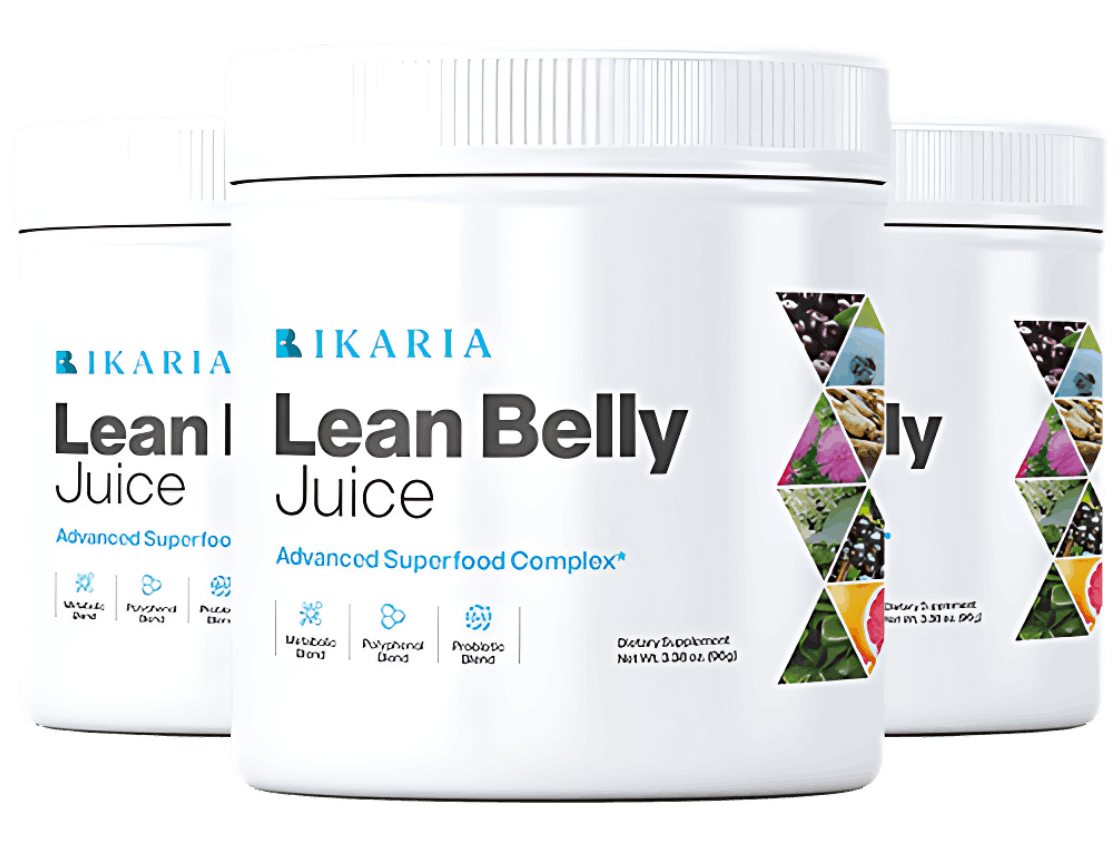
Ikaria Juice
The Ikaria Juice drink mix contains turmeric, milk thistle, green-tea extract and fruit polyphenols, plus fiber and probiotics for gut balance. Its digestive blend supports beneficial gut organisms and regularity, alongside antioxidant-rich extracts from berries and green tea. During semaglutide, inulin and probiotic cultures may affect gastrointestinal comfort, so tolerance and current medicines matter.
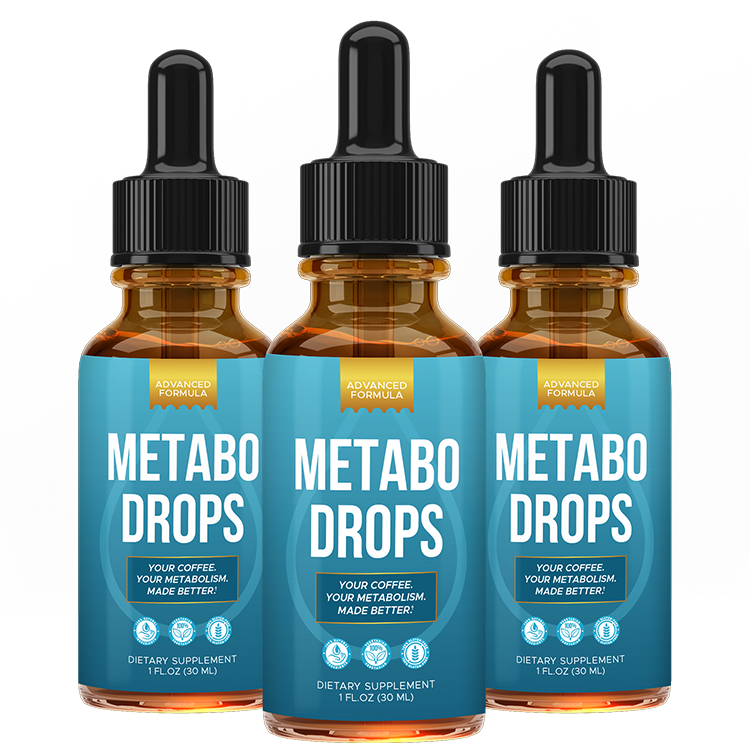
Metabo Drops
Metabo Drops is a coffee-mix formula combining chromium for normal macronutrient metabolism with chlorogenic acid, green tea, L-carnitine and L-theanine. Green tea and chlorogenic acid supply plant polyphenols, while chromium and L-carnitine give the formula its nutrient-metabolism focus. Alongside semaglutide, review chromium, green-tea extracts and total coffee caffeine with the prescribing clinician.

Java Burn
Java Burn combines green tea catechins and chlorogenic acids with chromium, L-carnitine and L-theanine in a single-serving coffee powder. L-carnitine participates in fatty-acid transport, while L-theanine is intended to complement coffee alertness with a calmer focus. Alongside semaglutide, review chromium, green-tea extracts and total coffee caffeine with the prescribing clinician.

Nagano Tonic
Nagano Tonic is a powdered drink mix made with botanicals and nutrients including camu camu, green-tea EGCG, mangosteen, ginger and inulin. Its formula is promoted for daily metabolic, energy and digestive support; it is not a substitute for balanced nutrition or medical care. When comparing options alongside semaglutide, review the ingredient label and seller terms before ordering.
Frequently Asked Questions
A weight-management semaglutide product may be prescribed to an eligible person without diabetes. Eligibility depends on the product's current label, health history and clinician assessment, not simply a desire to lose a few pounds.
There is no single universal testing panel for everyone. A clinician may check A1C or glucose, kidney function, pregnancy status or other tests based on the indication, symptoms, medical history and concurrent medications.
Telehealth can be appropriate when the service verifies identity, reviews medical history and medications, provides access to a licensed clinician, identifies the dispensing pharmacy and offers follow-up. Avoid services that approve treatment through a superficial questionnaire or conceal the drug's source.